
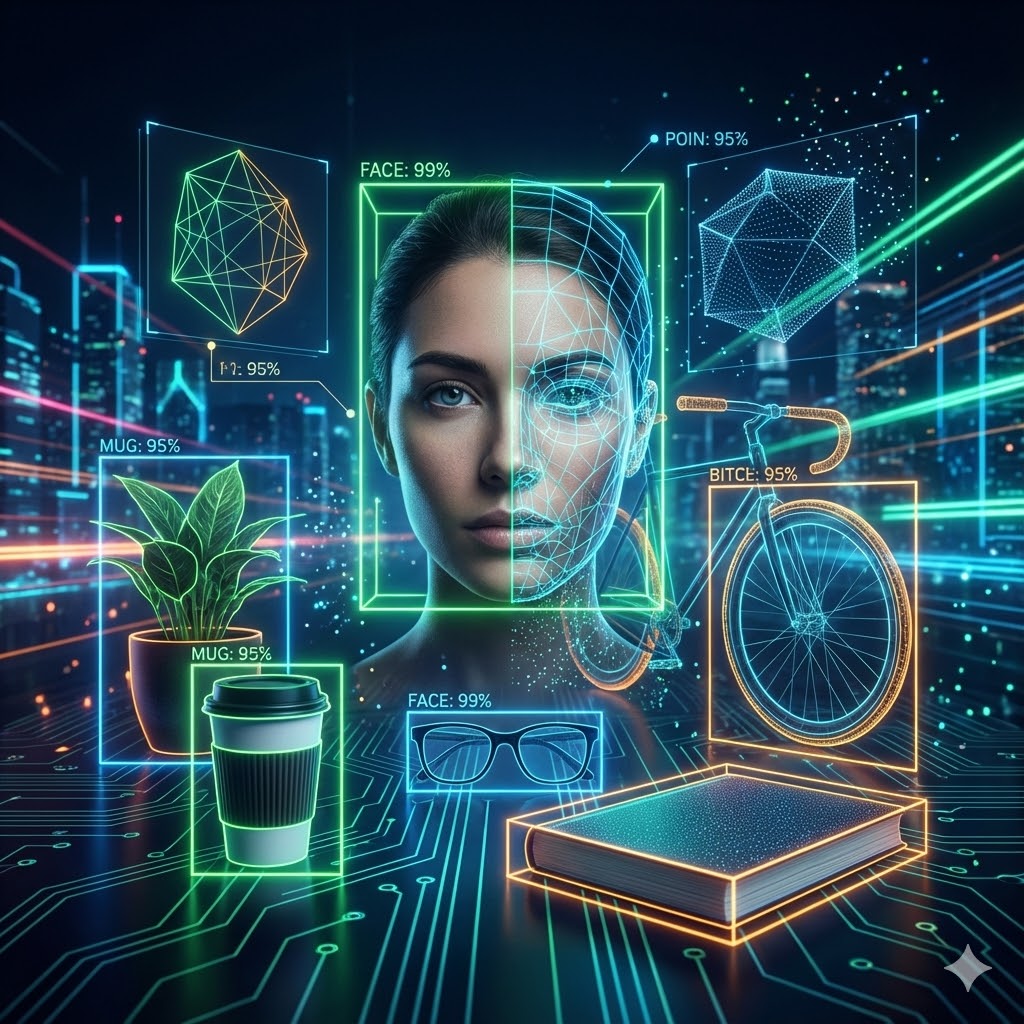
Deploying computer vision solutions for business is the most effective way to bridge the gap between physical operations and digital intelligence. The transition from manual monitoring to automated vision systems is a core component of custom software development, providing the foundation for full-scale industrial automation.
Manual inspection is prone to fatigue and human error. Modern visual inspection software can detect micro-defects in real-time at speeds impossible for human eyes. By integrating these automation solutions directly into your production line, you can achieve unprecedented quality consistency and reduce material waste effectively.
Optimizing a high-volume facility requires more than just handheld scanners. Vision systems can automate cycle counting, verify load accuracy, and monitor safety protocol adherence. This seamless integration with your warehouse management system creates a truly 'smart' and autonomous logistics hub.
Generic computer vision APIs often struggle with niche product shapes or varied lighting conditions. Building custom models ensures that your AI is trained on your specific environment. When you invest in custom software development for your vision needs, you ensure localized support and hardware integration specific to your facility's requirements.
By using high-speed cameras and AI models, systems can inspect 100% of products on a fast-moving belt, identifying defects like scratches, cracks, or missing components that human inspectors might miss.
Yes, many modern computer vision solutions can be integrated with existing RTSP-enabled CCTV infrastructure, transforming standard security feeds into intelligent analytical tools.
Edge AI processes data locally on the camera or a local server, providing near-instant response times and better privacy. Cloud AI is better for heavy historical analysis and lower upfront hardware costs.
With high-quality training data and custom models, modern systems regularly achieve accuracy rates between 98% and 99.9%, depending on the complexity of the environment.
Computer Vision is the 'eyes' of the modern enterprise. By automating visual intelligence, businesses can scale faster, reduce operational costs, and eliminate the fundamental bottlenecks of manual inspection.
From defect detection to smart surveillance, our team builds custom computer vision solutions in India that deliver measurable results.
Talk to a Vision Expert